

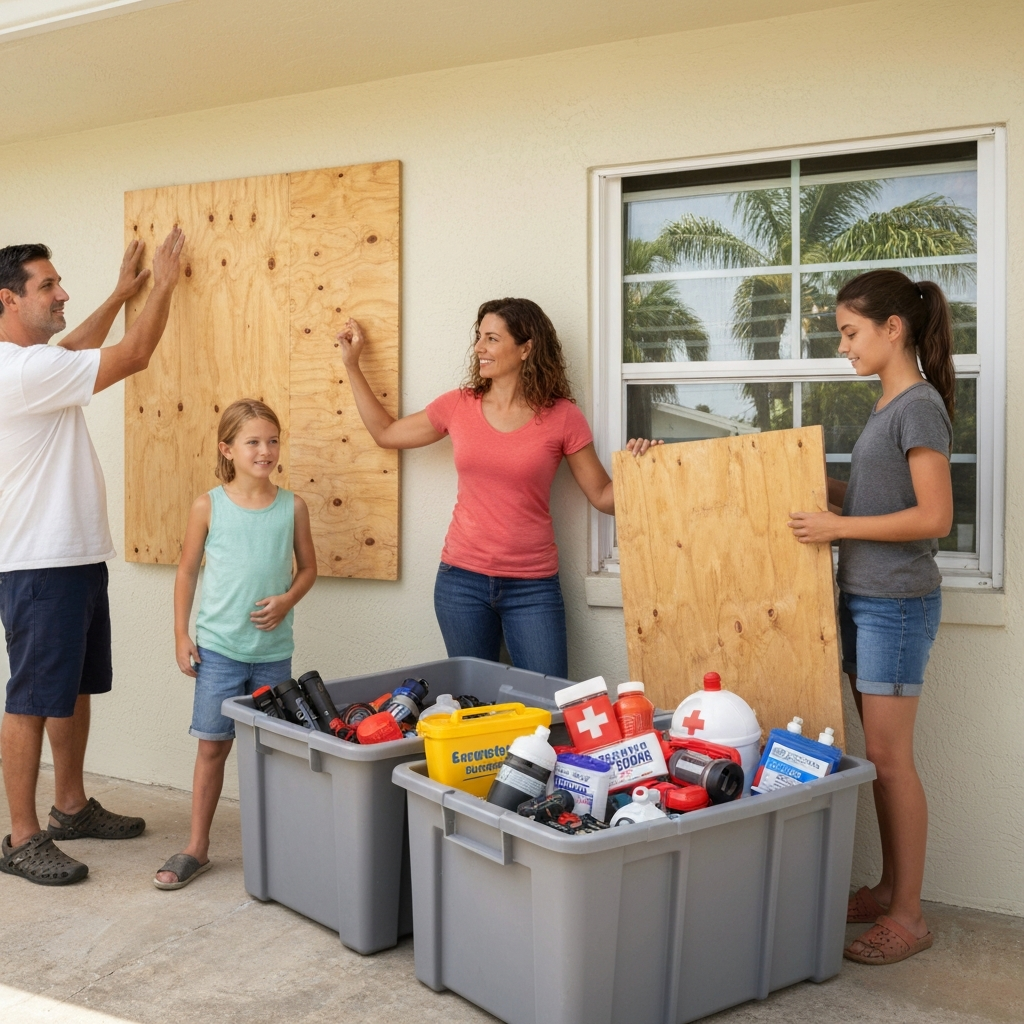
As residents of Fort Lauderdale, we are all too familiar with the annual hurricane season, which runs from June 1 through November 30. Being prepared is not just advisable; it’s essential for the safety of our families and community.
Develop a Family Disaster Plan
Start by creating a comprehensive disaster plan. Determine if your home is in a flood zone or mandatory evacuation area. If so, plan at least two evacuation routes and decide in advance where you will go. Ensure all family members are aware of the plan and practice it regularly. Don’t forget to make arrangements for pets, as not all shelters accept them.
Assemble an Emergency Supply Kit
Prepare a disaster supply kit with enough essentials to last at least three days. Your kit should include:
- Water (one gallon per person per day)
- Non-perishable food items
- Battery-powered flashlight and extra batteries
- First aid kit
- Prescription medications
- Important documents in waterproof containers
- Cash
- Personal hygiene items
For a detailed checklist, refer to the City of Fort Lauderdale’s Emergency Preparedness Guide.
Secure Your Home
Before hurricane season, take steps to secure your property:
- Trim trees and branches to prevent them from causing damage during high winds.
- Secure windows and doors with shutters or other protective materials.
- Ensure your roof is in good condition to withstand heavy rains and winds.
For more information on home preparation, visit the City’s Hurricane Preparedness page.
Stay Informed
Keeping informed is crucial during hurricane season. Sign up for Alert FTL, the City’s emergency notification system, to receive timely updates. Additionally, monitor local news outlets and the City’s official website for the latest information.
Understand Hurricane Hazards
Hurricanes bring multiple hazards, including storm surges, high winds, tornadoes, and flooding. Understanding these risks can help you prepare more effectively. The City’s Hurricane Hazards page provides detailed information on each of these threats.
Know Your Evacuation Zone
Familiarize yourself with the Fort Lauderdale – Broward County Hurricane Evacuation Map and regional shelters. If you live in a low-lying area or near tidal bodies of water, be prepared to evacuate when advised. All mobile home residents must evacuate during both Plan A and Plan B scenarios.
Special Needs Shelters
If you or a family member has special medical needs, register in advance for a Special Needs Shelter. These shelters provide basic medical assistance and monitoring during emergencies.
After the Storm
Once the storm has passed, continue to exercise caution. Avoid downed power lines, report flooding, and check in on neighbors, especially the elderly or those with special needs. The City’s Hurricane & Storm Center offers resources and information for post-storm recovery.
By taking these steps, we can all contribute to a safer and more resilient Fort Lauderdale during hurricane season.