

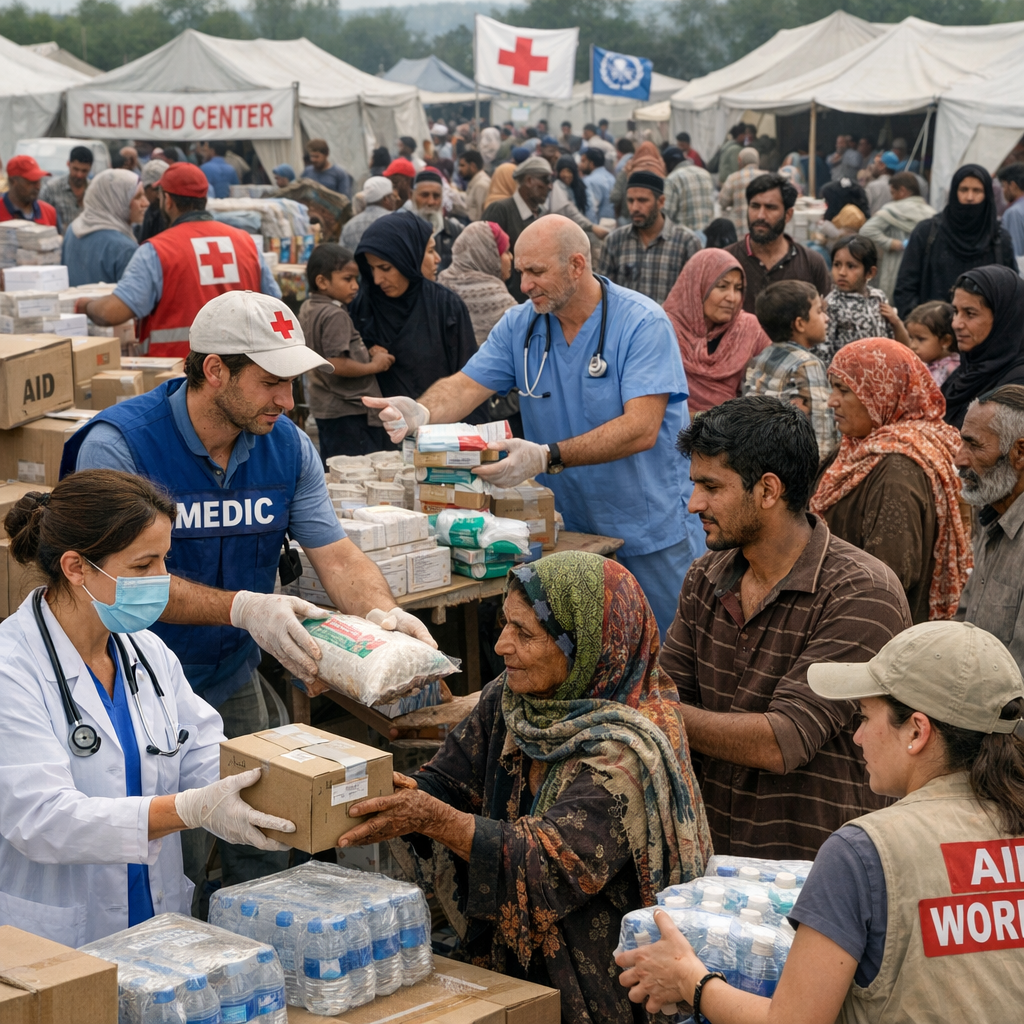
Forced Displacement Reaches New Heights
According to the latest Global Trends reports, nearly 118 million people around the world have been forcibly displaced by conflict, persecution, or violence. That includes refugees, asylum-seekers, internally displaced persons (IDPs), and stateless individuals. While there was a slight drop in the number of refugees, the scale of displacement remains staggering and persistent. Low- and middle-income countries continue to shoulder most of this burden. Numerous crises around the world—from Sudan and Syria to Ukraine and Venezuela—contribute to huge refugee outflows and strained humanitarian systems. UNHCR underscores that many displaced people remain in situations of long-term need, with limited access to education, healthcare, and rights protections.
Root Causes and Host Country Impacts
The causes of displacement are often intertwined: ongoing wars, political instability, human rights abuses, and increasingly, climate-related disasters. The Global Humanitarian Overview for 2026 reports that nearly 239 million people were in need of humanitarian assistance by the end of 2025—an overwhelming number driven by conflict and climate shocks. Regionally, the Middle East, Africa, and parts of Asia are most affected, with neighbouring countries absorbing large numbers of refugees, further challenging their resources for health, housing, infrastructure, and economic opportunities.
Emerging and Spreading Disease Threats
An outbreak of Ebola caused by the Bundibugyo virus in the Democratic Republic of Congo (DRC) is particularly concerning. The outbreak has expanded to dozens of health zones, with thousands of confirmed cases and deaths. A high fatality rate and lack of licensed vaccine or specific antiviral treatment are causing alarm among global health authorities. Simultaneously, cholera and mpox continue to spread among vulnerable populations, and regions with weakened health systems face the greatest risk.
Strengthening Preparedness and Response
Health experts emphasize early detection, stronger laboratory capacity, and robust surveillance mechanisms as vital. West African scientists, for example, are warning that health systems are deteriorating, urging governments to improve outbreak detection to prevent future emergencies. The WHO’s emergency appeal highlights the importance of international coordination, investments in public health infrastructure, and systems that can respond flexibly across borders.
Why This Matters to Local Communities
Global displacement and disease threats might seem far away, but their effects ripple here at home. Displaced people often seek refuge across multiple borders, sometimes reaching the U.S., bringing increased demand for humanitarian aid, health screenings, and social services. Overseas disease outbreaks pose risks due to travel and trade, heightening the chance of imported cases without proper readiness.
Understanding these global developments helps our community in Fort Lauderdale stay informed, shape compassion, and support policies that uphold both global responsibility and local safety. Our interconnected world calls for solidarity, science-based response, and sustained attention to crises that might not dominate headlines every day—but affect us all.